
How to Prepare for a Musical Theatre Audition
Auditions can feel like the moment talent is judged, but the truth is more encouraging. A strong musical theatre audition is the product of preparation, not luck, and almost every part of it can be learned and rehearsed. The students who book roles are rarely the ones with the most raw ability. They are the ones who walked in prepared, organized, and ready to perform. Whether your child is auditioning for a school production, a community theatre show, or a competitive program, the steps below will help them arrive confident.
Understanding What Judges Are Really Looking For in a Music Theatre Audition
It is easy to assume the panel wants a flawless voice. What they actually want is a performer they can work with: someone who sings musically, tells the story in the lyrics, takes up space with confidence, and can take direction. Casting is about fit for the show and the ensemble, not a hunt for perfection.
This is good news for a nervous singer. A small crack in a high note matters far less than a committed, expressive performance. Judges are imagining what a student will be like across weeks of rehearsal, so energy, focus, and coachability count for as much as tone.
Choosing the Right Audition Song
Song choice is the single most important decision, and it is where many auditions are won or lost before a note is sung. The right song does three things: it sits comfortably in the singer's range, it suits their age and personality, and it shows what their voice does well.
A few guidelines:
Pick a song in the style of the show being cast, but avoid songs from the show itself unless the audition notice asks for them.
Steer clear of the most overdone numbers, which the panel has often heard dozens of times that day.
Choose material that is age appropriate, so a teenager sings as a teenager rather than reaching for an adult role.
Read the audition notice carefully, because many ask for a specific cut, most often 16 or 32 measures, rather than a whole song.
Over time, a singer should build an audition book: a small binder of prepared, contrasting songs, typically one ballad and one up-tempo number, so they are ready for callbacks and can offer the panel a choice.
Preparing the Song, Not Just Singing It
Knowing the notes is only the beginning. A prepared audition song is memorized cold, so no lyrics are forgotten under pressure, and it is acted as much as it is sung.
That means understanding who is singing, to whom, and why. Every lyric is a thought the character is having in the moment, and a singer who connects to that story reads as a performer rather than a person reciting a melody. Breath, phrasing, and dynamics all serve that story. A teacher can help shape these choices so the performance feels intentional from the first line to the last.
The Audition Room Itself
Much of a smooth audition comes down to preparation that has nothing to do with singing. Here are some important steps:
Slate clearly. A slate is the short introduction at the start: name, and usually the song and show. It should be said with a smile and enough volume to be heard easily. First impressions form fast.
Bring clean, marked sheet music. If a live accompanist is provided, the singer hands over legible music in the correct key, taped together or placed in sheet protectors so it does not slide off the piano, with the starting point and tempo marked.
A brief, friendly word to the pianist about tempo is welcome. Disorganized music is one of the most common and avoidable ways to start an audition badly.
Dress simply and comfortably. Clothing should let the singer move and breathe, look put together, and hint at the character without being a full costume.
Handle mistakes gracefully. If something goes wrong, the singer keeps going. Panels expect nerves, and the ability to recover without apology says more than a perfect run ever could.
Common Mistakes That Cost a Callback
Everyone gets nervous, and the judges know and are usually understanding. However, certain mistakes are difficult to overlook:
A few errors show up again and again - avoid choosing a song that is too difficult to prevent technique severely falls apart under pressure.
Mumbling the slate or skipping it entirely - always speak and present clearly.
Arriving with messy or incomplete sheet music - this shows to the judges that you are unprepared.
Over-rehearsing to the point of stiffness, so the performance feels mechanical.
Apologizing, out loud or through body language, for a small slip.
Knowing what to avoid is a great start, and the good news is each of these is fixable well before audition day.
How Voice Lessons Prepare You for Audition Season
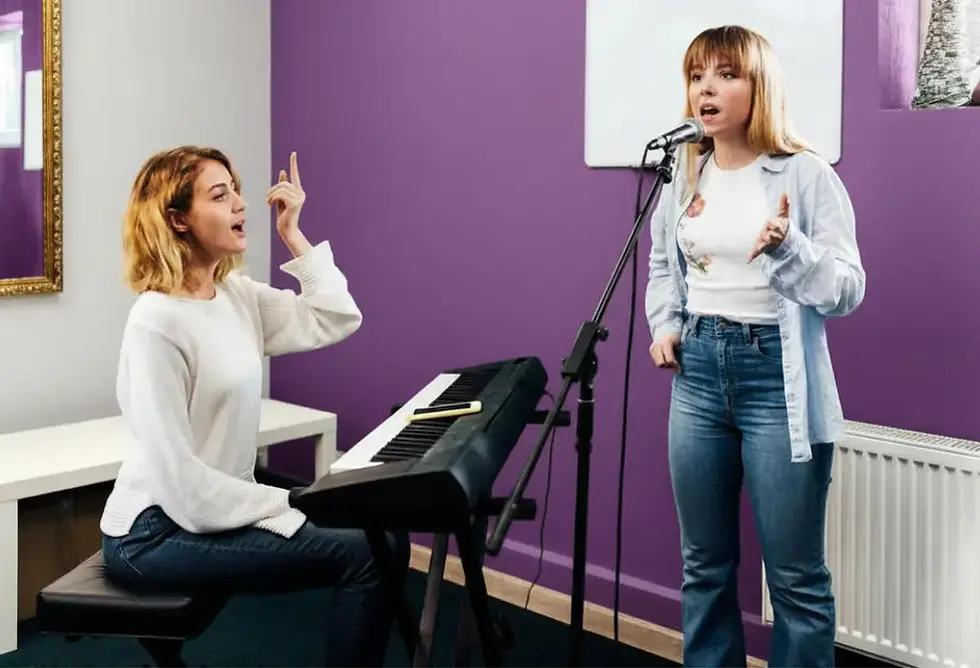
Audition is one of the many kinds of preparations that private voice lessons are built for. Audition preparation is a regular part of our studio, and many of our voice students are working toward a school, community, or program audition at any given time. At Preston Harmony School of Music, our instructors help musical theatre students choose and prepare repertoire that fits their voice, build the technique to sing it consistently, and shape the acting choices that make a song land. Lessons can include mock auditions, so a student practices slating, handing off sheet music, and performing under a little pressure before the real thing.
Ready for Audition Season?
The performers who book roles are the prepared ones, and preparation is teachable. We work with singers across the competitive school and community theatre programs in North Dallas, from first-time auditioners to experienced performers preparing for selective productions. We also welcome new students who need short-term, focused coaching for a specific upcoming audition, even without committing to ongoing weekly lessons. Whichever fits your situation, lessons are private and one on one, at our studio in Preston Hollow, and we offer a complimentary trial lesson so a new student can meet a teacher and get started. You can learn more on our Voice and Singing lessons page, and schedule your Free Trial Lesson today!
Warmly,
♫ The team at Preston Harmony School of Music
Frequently Asked Questions
How Long Before an Audition Should Preparation Start?
Ideally several weeks. That leaves time to choose the right song, memorize it fully, shape the acting, and rehearse it until it feels comfortable rather than rushed.
How Many Songs Should My Child Have Ready?
Two contrasting songs is a strong starting point: one ballad and one up-tempo number. That covers most audition requests and prepares a student for callbacks.
What If My Child Gets Nervous?
Nerves are normal and expected. Solid preparation is the best cure, and practicing the audition itself, including the slate and the walk into the room, makes the real thing feel familiar.
Do You Help With Sheet Music and Song Cuts?
Yes. Part of lesson preparation is preparing clean, correctly marked music and cutting a song to the requested length, so a student walks in organized and ready.
Can We Take Lessons Just for an Upcoming Audition?
Yes. Alongside our ongoing students, we welcome new singers who want short-term, focused coaching for a specific audition. If you are not ready to commit to weekly lessons, we can build a brief plan aimed at getting your child ready for the date on the calendar.

